Formal Vintage Christmas Cards Review
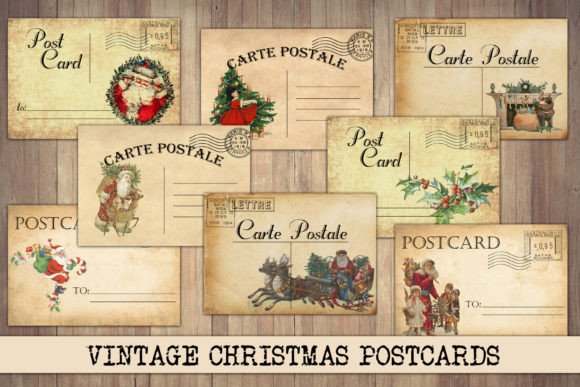
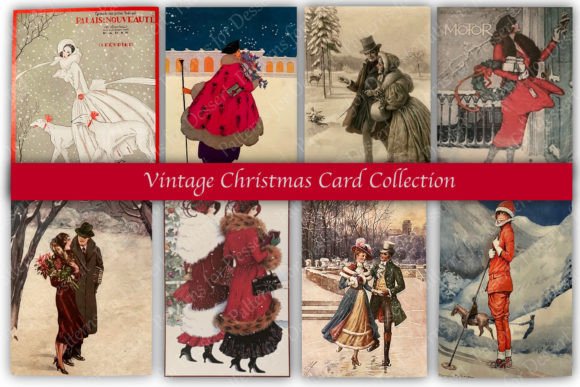
When I first opened the Formal Vintage Christmas Cards file, my initial reaction wasn't about stitch counts or file formats. It was about the mood. There is a specific weight to vintage aesthetics that can easily feel cheap if executed poorly, but this design carries itself with a quiet confidence. As someone who has spent years refining designs for boutique shops and custom apparel, I immediately recognized where this illustration fits in the current market. It isn't trying to be trendy; it is trying to be timeless. The layout suggests a classic holiday card style, translated into a format that demands respect on fabric.
The visual personality of Formal Vintage Christmas Cards leans heavily into nostalgia without feeling cluttered. For an embroidery designer, the balance between detail and clarity is the most critical factor. This design avoids the trap of over-complication. It feels like it belongs on a high-quality linen tea towel, a structured tote bag, or perhaps a soft cotton sweatshirt worn during a holiday gathering. The "Illustrations" category tag is accurate, but calling it just an illustration undersells its potential as a commercial asset. It is a complete design system waiting to be stitched.
Real-World Application: From Screen to Stitch
I recently considered using this design for a client project involving personalized holiday gifts for a small bakery team. The brief was simple: create something that felt warm and professional, not mass-produced. When I laid out Formal Vintage Christmas Cards on a mockup of a canvas tote bag, the result was striking. The formal nature of the artwork provided a perfect counterpoint to the rugged texture of the canvas. It elevated the perceived value of the product instantly.
Imagine placing this on a baby onesie or a nursery pillow cover. The vintage theme translates beautifully to baby items because parents often seek designs that feel heirloom-quality rather than cartoonish. However, you must be mindful of the scale. If you are planning to use this as an embroidery project for a small patch or a cap front, you need to ensure the details don't get lost. A curved surface like a baseball cap can distort fine lines, so testing the placement is non-negotiable before committing to a production run.
For Etsy sellers and craft business owners, this design offers a unique selling point. Many holiday designs rely on bright reds and greens with bold outlines. Formal Vintage Christmas Cards invites a more sophisticated color palette. Think deep forest greens, muted golds, and cream backgrounds. This allows you to target a higher-end demographic willing to pay a premium for "handmade" quality. The design acts as a brand consistency tool; it signals to the buyer that the finished product was curated with care.
Navigating Fabric and Stability Challenges
While the design is elegant, it is not without its technical requirements. Embroidery is a physical medium, and every thread adds bulk. If you attempt to stitch this on thin, stretchy fabric without proper preparation, the result will be puckered and unprofessional. The density of the stitches in the fill areas needs a robust stabilizer to hold the shape. I strongly advise against using this on flimsy jersey unless you are using a heavy-duty cut-away stabilizer underneath.
Textured fabrics present another consideration. If you choose a bouclé wool or a thick chenille for a holiday sweater, the definition of the design might get swallowed by the nap of the material. In these cases, the design works best when used as an applique design, adding a layer of stability and contrast. Conversely, on smooth fabrics like sateen or tightly woven cotton, the satin stitch will shine, creating a glossy, refined look that matches the formal theme perfectly.
Dark fabrics require a strategic approach to thread colors. To maintain the integrity of the vintage aesthetic, you cannot simply switch to white thread and expect the same effect. You may need to adjust the thread colors to match the original illustration's tone while ensuring enough contrast exists for the eye to read the details. Always test your thread choices on scrap fabric first. What looks good on a screen often behaves differently under the needle.
Design Notes for Commercial Success
If you are a digital product seller or a small shop owner looking to expand your inventory, understanding the limitations of Formal Vintage Christmas Cards is key to avoiding returns and customer complaints. The design features intricate corners and potentially small lettering elements typical of vintage cards. These tiny details are the first to suffer in a machine embroidery setup if the hoop size is too small or the tension is off.
Before listing this as a finished product or offering it as a service, review the stitch density. High-density fills can make a garment stiff, which is undesirable for comfortable wearables like sweatshirts or baby clothes. If the density is too high, consider simplifying the design slightly or using a lighter touch in the fill stitch areas. Also, inspect the design in black and white mockups. This helps you see if the composition holds together without relying on color, ensuring the structure is sound.
Another critical step is confirming licensing terms. Many designers assume they can sell any design they purchase, but some licenses restrict commercial use or limit the number of finished products you can create. Check whether the embroidery file allows you to sell the final item. If you are planning to use this for a large batch of holiday merchandise, having clear rights is essential for your peace of mind and legal safety.
Maximizing Visual Appeal and Customer Trust
The ultimate goal of any custom apparel or personalized gift is to evoke an emotional response. Formal Vintage Christmas Cards does this by tapping into the collective memory of traditional holidays. It feels established and trustworthy. When a customer receives a handmade item with such a cohesive and polished design, their trust in your brand increases. They associate the quality of the stitching with the quality of your craftsmanship.
However, do not underestimate the power of presentation. Even the best machine embroidery design can fail if the finishing touches are neglected. Trim your threads cleanly, remove all excess stabilizer, and press the garment properly. For items like aprons or kitchen towels, ensure the design is centered and balanced. For embroidered patches, check that the edges are clean and won't fray after washing.
In conclusion, Formal Vintage Christmas Cards is a versatile asset for any creative entrepreneur. It bridges the gap between nostalgic charm and modern execution. Whether you are creating a single holiday gift for a family member or building a line of boutique products for the season, this design provides a solid foundation. Just remember to respect the technical constraints of embroidery, test thoroughly, and let the quality of your work speak for itself. With the right preparation, this design can become a standout piece in your portfolio, driving engagement and sales for your craft business.